

If you use a credit card, you might assume your credit utilization is reported when you make a payment or when your credit card bill is due. However, credit card companies generally report your account information around the end of your billing cycle, often on or shortly after your statement closing date.
This timing matters because the balance reported to credit bureaus can influence the credit utilization ratio shown on your credit report. Even if you pay your credit card bill in full by the payment due date, a higher balance might already have been reported.
Understanding when credit utilization is reported can help you plan payments, manage your available credit and avoid unnecessarily high reported balances.
In this guide, you will learn when credit card companies report balances, how statement dates affect utilization, how to find your reporting schedule and what you can do to keep your credit utilization low.
When Is Credit Utilization Reported to Credit Bureaus?
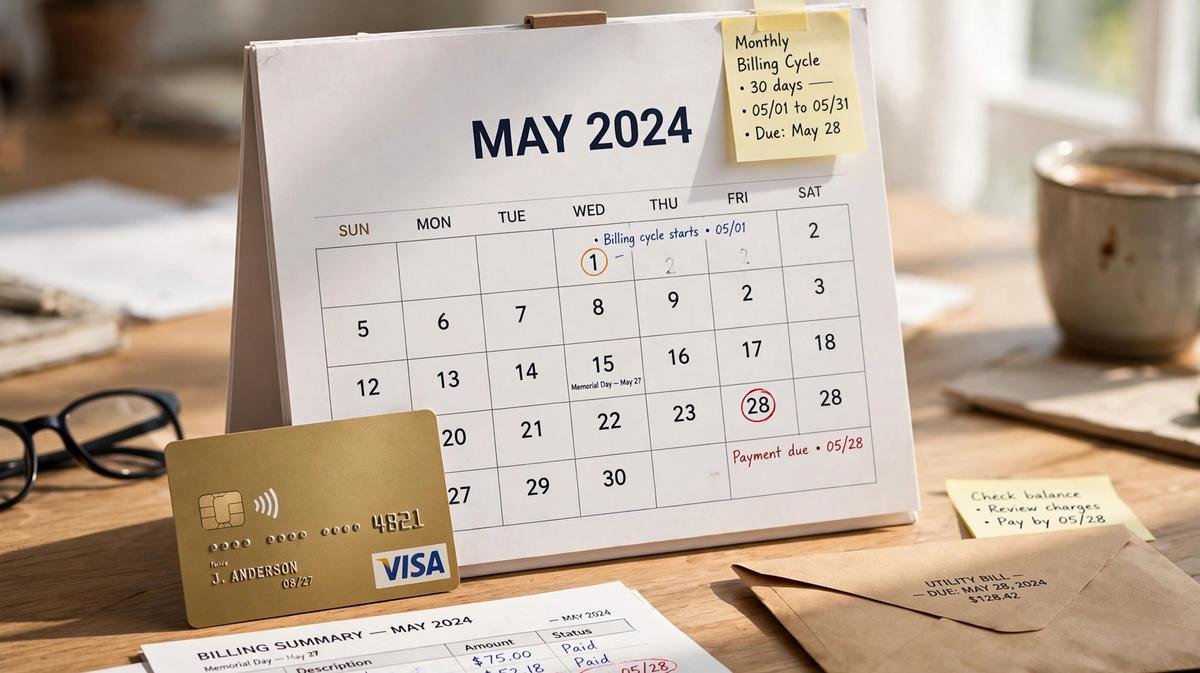
Credit card companies typically report account balances and payment information to the major credit bureaus about once a month. Many issuers report around the end of a billing cycle, usually on or shortly after the statement closing date.
The three major credit bureaus in the United States are:
- Experian
- Equifax
- TransUnion
However, there is no universal reporting date that applies to every credit card. Each issuer determines its own reporting schedule. Some companies may report at different times, and not every creditor necessarily reports to all three bureaus.
For example, if your billing cycle closes on November 10, your card issuer might report your account balance around that date. The information may take additional time to appear on your credit report.
Equifax explains that many credit card companies report monthly, generally around the billing cycle date, but reporting practices vary between creditors.
Statement Closing Date vs. Payment Due Date
One of the most important things to understand about credit utilization is the difference between your statement closing date and your payment due date.
These dates serve different purposes and can affect how your credit card balance appears on your credit report.
What Is a Statement Closing Date?
Your statement closing date is the final day of your credit card billing cycle. Your card issuer uses this date to calculate the statement balance and prepare your monthly statement.
For example, suppose your billing cycle closes on November 10. Purchases, payments and other transactions posted during that billing cycle are considered when calculating your statement balance.
Your issuer may use the balance from this reporting period when sending account information to the credit bureaus.
What Is a Payment Due Date?
Your payment due date is the deadline for making at least the required minimum payment on your credit card.
It usually falls several weeks after your statement closing date.
For example:
| Credit card detail | Date |
|---|---|
| Statement closing date | November 10 |
| Statement generated | November 11 |
| Payment due date | December 5 |
| Next statement closing date | December 10 |
If your credit card balance was $1,500 when your statement closed, that amount may be reported to the credit bureaus even if you pay the full $1,500 before December 5.
This is why paying your bill by the due date and lowering your reported credit utilization are two different things.
Paying your statement balance in full by the due date is generally important for avoiding interest on eligible purchases. Paying earlier may help reduce the balance that gets reported.
How Does Credit Utilization Reporting Work?
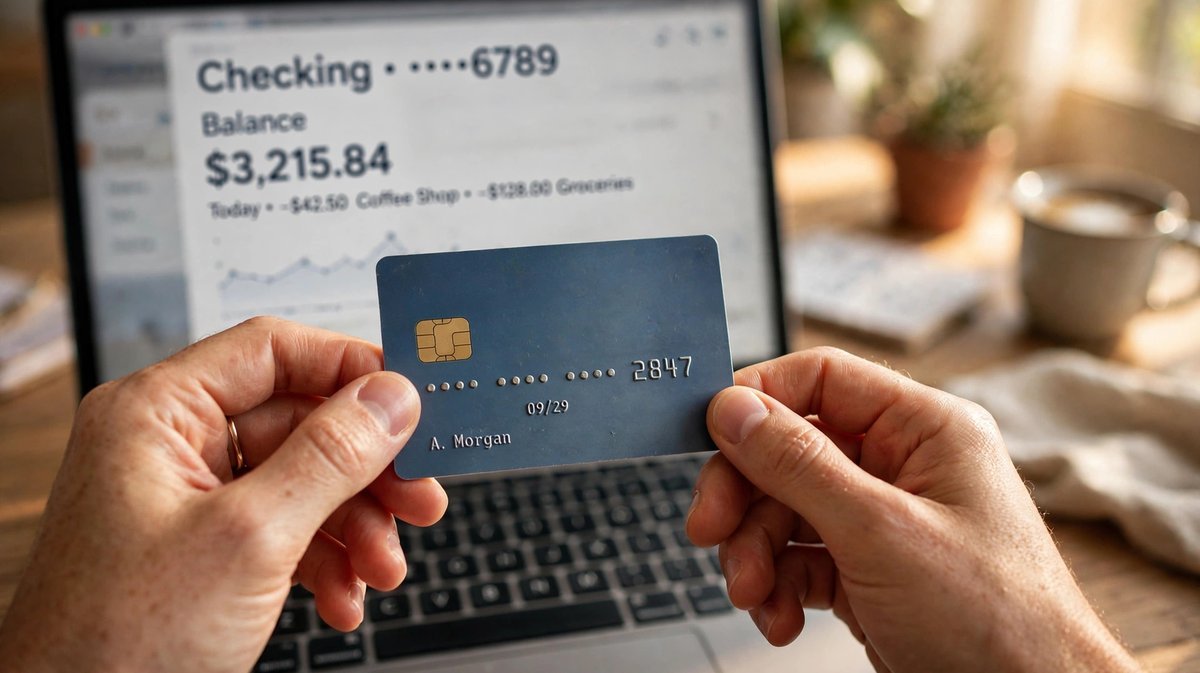
Credit utilization measures how much of your available revolving credit you are currently using.
It is generally calculated by dividing your outstanding credit card balance by your credit limit and multiplying the result by 100.
Credit Utilization Formula
Credit Utilization = (Credit Card Balance ÷ Credit Limit) × 100
For example, suppose you have:
- Credit card limit: $5,000
- Reported balance: $1,500
Your credit utilization would be:
($1,500 ÷ $5,000) × 100 = 30%
Your reported balance and credit limit help determine your utilization ratio.
Credit scoring models can consider both individual card utilization and overall utilization across your revolving accounts.
Individual Credit Card Utilization
Individual utilization measures how much of one credit card’s available limit you are using.
For example, if you have a $2,000 credit limit and a $1,000 balance, your utilization on that card is 50%.
Overall Credit Utilization
Overall utilization considers the combined balances and credit limits across your eligible revolving accounts.
Suppose you have two credit cards:
| Credit card | Credit limit | Balance |
|---|---|---|
| Card A | $3,000 | $600 |
| Card B | $7,000 | $1,400 |
| Total | $10,000 | $2,000 |
Your overall utilization is:
($2,000 ÷ $10,000) × 100 = 20%
This means you are using 20% of your combined available credit.
What Happens If You Pay Your Credit Card Before the Statement Closing Date?
Paying your credit card before the statement closing date can help reduce the balance that your issuer reports to the credit bureaus.
For example, imagine you have a $3,000 credit limit and your balance reaches $1,800.
Your utilization is:
($1,800 ÷ $3,000) × 100 = 60%
If you pay $1,200 before the statement closes and the payment posts in time, your remaining balance becomes $600.
Your new utilization is:
($600 ÷ $3,000) × 100 = 20%
If the issuer reports that lower balance, your credit report may reflect the reduced utilization when the new information is processed.
However, paying before the closing date does not guarantee an immediate credit score increase. The issuer must report the updated information, the credit bureau must process it, and the scoring model must recalculate your score.
How to Find Out When Your Credit Card Reports to Credit Bureaus
Knowing your card’s reporting schedule can help you manage your balances more effectively.
Here are several ways to find it.
1. Check Your Credit Card Statement
Look at your latest monthly statement and find the statement closing date. This is a useful starting point because many issuers report account information around the end of the billing cycle.
2. Check Your Credit Card Account Online
Log in to your credit card provider’s website or mobile app.
Look for information such as:
- Next statement date
- Billing cycle closing date
- Current balance
- Statement balance
- Payment due date
Remember that the statement closing date is not necessarily the exact date your information reaches the credit bureaus.
3. Contact Your Credit Card Issuer
If you want more specific information, contact the customer service department using the phone number on your card.
Ask when the company typically reports your account balance to Experian, Equifax and TransUnion.
You can also ask whether the company reports balances on the statement closing date or follows a different schedule.
4. Review Your Credit Reports
Compare the balance shown on your credit report with your monthly statements.
Checking your reports over several billing cycles can help you identify when your issuer usually updates your account.
You can also monitor your credit reports for changes and verify whether the reported balances are accurate.
What Is a Good Credit Utilization Percentage?
A lower credit utilization ratio is generally better for your credit profile.
Many financial education resources recommend keeping utilization below 30%. However, 30% is not a universal scoring threshold, and it does not guarantee a particular credit score.
FICO explains that lower utilization generally indicates less credit risk. Its scoring models consider revolving account balances as part of the amounts owed category.
Here is a general guide to understanding different utilization levels:
| Credit utilization | General interpretation |
|---|---|
| 0% | No reported balance |
| 1% to 9% | Low utilization |
| 10% to 29% | Moderate utilization |
| 30% to 49% | Higher utilization |
| 50% to 69% | High utilization |
| 70% to 89% | Very high utilization |
| 90% to 100% | Extremely high utilization |
These are educational ranges, not official FICO scoring bands. Your actual score impact depends on your complete credit profile and the scoring model being used.
Is 50% Credit Utilization Bad?
A 50% utilization ratio is relatively high compared with commonly recommended levels.
For example, if your credit limit is $4,000 and your reported balance is $2,000, you are using half of your available credit.
This may negatively affect your credit score, depending on your overall credit history and scoring model.
Reducing your balance to $1,000 would bring utilization down to 25%.
Is 70% Credit Utilization Bad?
Yes, 70% utilization is generally considered high.
If your credit limit is $5,000 and your balance is $3,500, your utilization is 70%.
A high reported balance can make your credit profile appear riskier to scoring models. If possible, reducing the balance before the next reporting cycle can help lower your reported utilization.
You should also avoid using your entire available credit, especially if you are planning to apply for a mortgage, auto loan or another credit product.
How to Lower Credit Utilization Before It Is Reported

If you want your credit report to reflect lower utilization, consider these practical strategies.
Pay Your Balance Before the Statement Closes
Make an additional payment before your statement closing date if you can afford it. Allow enough time for the payment to post before the issuer calculates your statement balance.
Make Multiple Payments During the Month
You do not have to wait until the payment due date to make a payment.
Making smaller payments throughout the billing cycle can help prevent your balance from becoming too high.
Request a Credit Limit Increase
A higher credit limit can reduce your utilization ratio if your spending and outstanding balance remain unchanged.
For example, a $1,500 balance on a $3,000 limit represents 50% utilization.
If your limit increases to $6,000 and your balance remains $1,500, utilization becomes 25%.
However, a credit limit increase is not guaranteed, and some issuers may review your credit before approving it.
Avoid Closing Unused Credit Cards Without Considering the Impact
Closing a credit card can reduce your total available revolving credit.
If you still have balances on other cards, losing that available credit may increase your overall utilization ratio.
Consider the annual fees, account benefits and your overall financial situation before closing an account.
Keep Paying on Time
Credit utilization is only one part of your credit score. Payment history is also important.
Always make at least the required minimum payment by the due date. Lowering utilization should never come at the expense of missing a payment.
Common Credit Utilization Reporting Mistakes
Understanding reporting schedules can help you avoid several common mistakes.
Confusing the closing date with the payment due date: These dates are different. Your balance may already have been reported before your payment deadline arrives.
Assuming every credit card reports on the same day: Different issuers can follow different schedules.
Expecting your credit report to update immediately: Reporting and processing take time. A payment may not appear on your credit report immediately after it clears.
Believing 30% is a strict scoring limit: Lower utilization is generally better, but there is no single percentage that guarantees a specific score.
Ignoring individual card utilization: Your total utilization is important, but the balances on individual cards can also matter.
Making a payment too late: A payment made shortly before the closing date might not post in time to affect the statement balance.
Frequently Asked Questions
When is credit utilization reported to credit bureaus?
Credit card companies usually report your balance to the major credit bureaus about once a month, often on or shortly after your statement closing date. Each issuer sets its own schedule, so the exact date varies by card.
Does paying my credit card in full by the due date lower my reported utilization?
Not always. Your balance may already have been reported at the statement closing date, which usually falls weeks before the payment due date. To lower the reported balance, pay it down before the statement closes.
What is a good credit utilization percentage?
Many financial education resources recommend keeping utilization below 30%. Lower is generally better for your credit profile, but 30% is not a strict scoring threshold and does not guarantee a specific score.
How can I lower my credit utilization before it is reported?
Pay your balance before the statement closing date, make multiple smaller payments during the month, or request a credit limit increase if your spending stays the same. Always make at least the minimum payment by the due date.
How long does it take for a payment to show on my credit report?
Reporting and processing take time. A payment may not appear on your credit report immediately after it clears. Your issuer must report the updated balance and the bureau must process it first.
Does credit utilization affect my credit score?
Yes. Credit scoring models consider revolving account balances as part of the amounts owed category, and both individual card utilization and overall utilization can matter.
Final Thoughts
Credit utilization is generally reported to the major credit bureaus about once a month, often around your credit card statement closing date. However, the exact reporting schedule depends on your card issuer.
If you want to lower the utilization appearing on your credit report, consider paying down your balance before the statement closes rather than waiting until the payment due date.
Keep your balances manageable, make payments on time and review your credit reports regularly. These habits can help you maintain healthier credit utilization over time.
Disclaimer: This article is for educational purposes only and does not provide financial or credit repair advice. Credit reporting schedules and credit scoring methods vary between issuers and scoring models. Contact your card issuer or a qualified financial professional for guidance about your individual circumstances.

Taha Rasheed is a content researcher and editor at UnlimitedCalculators.com. He is passionate about making everyday calculations easier and more accessible through simple, practical, and easy-to-understand online tools.
He focuses on researching calculation methods, creating helpful content, and improving the clarity and usability of calculator resources across different topics, including mathematics, finance, education, health, and everyday calculations.
At UnlimitedCalculators.com, Taha aims to provide useful, informative, and user-friendly resources that help visitors understand calculations and make everyday tasks simpler.